What to Do if a Tree Falls on Your House
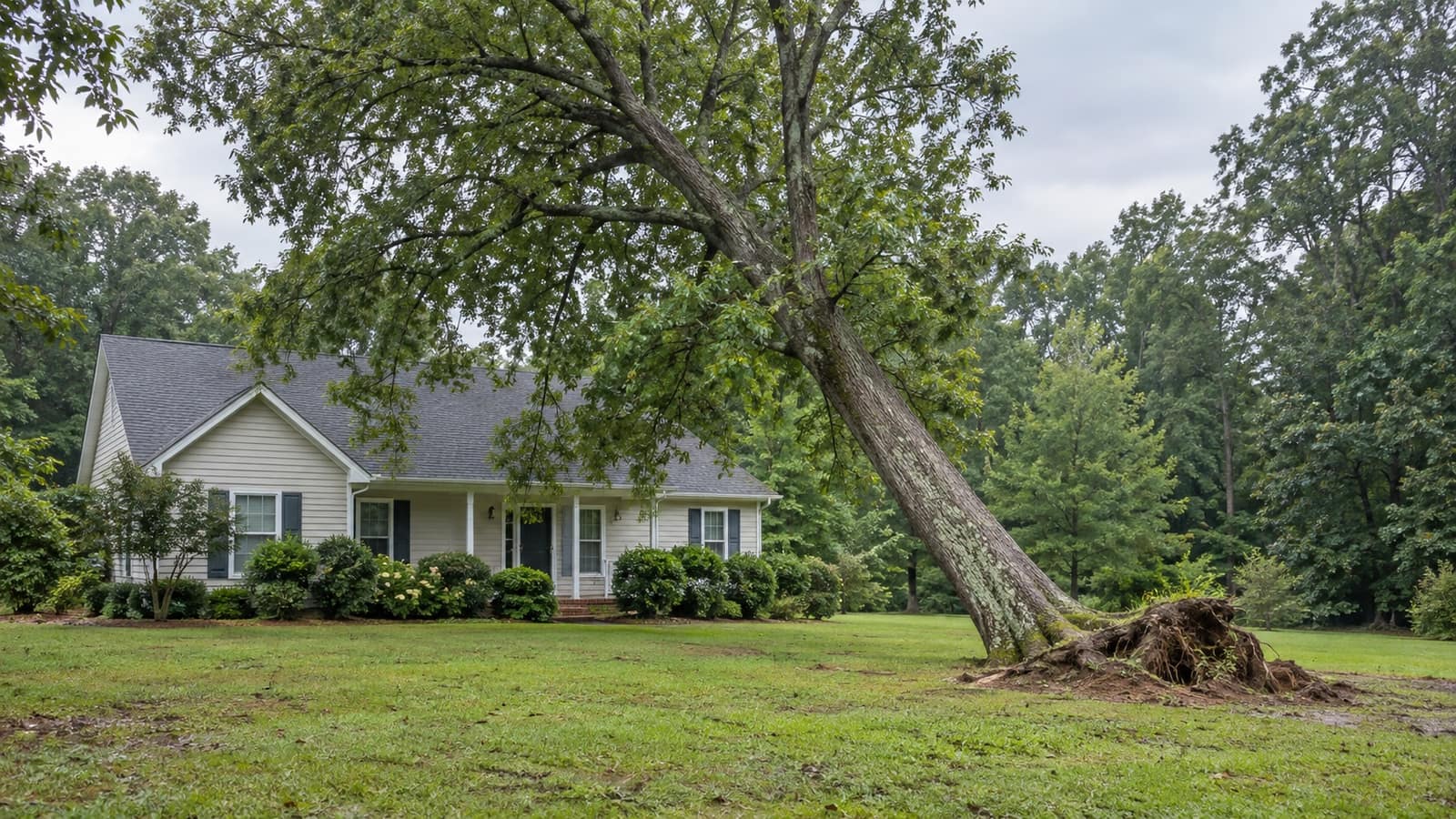
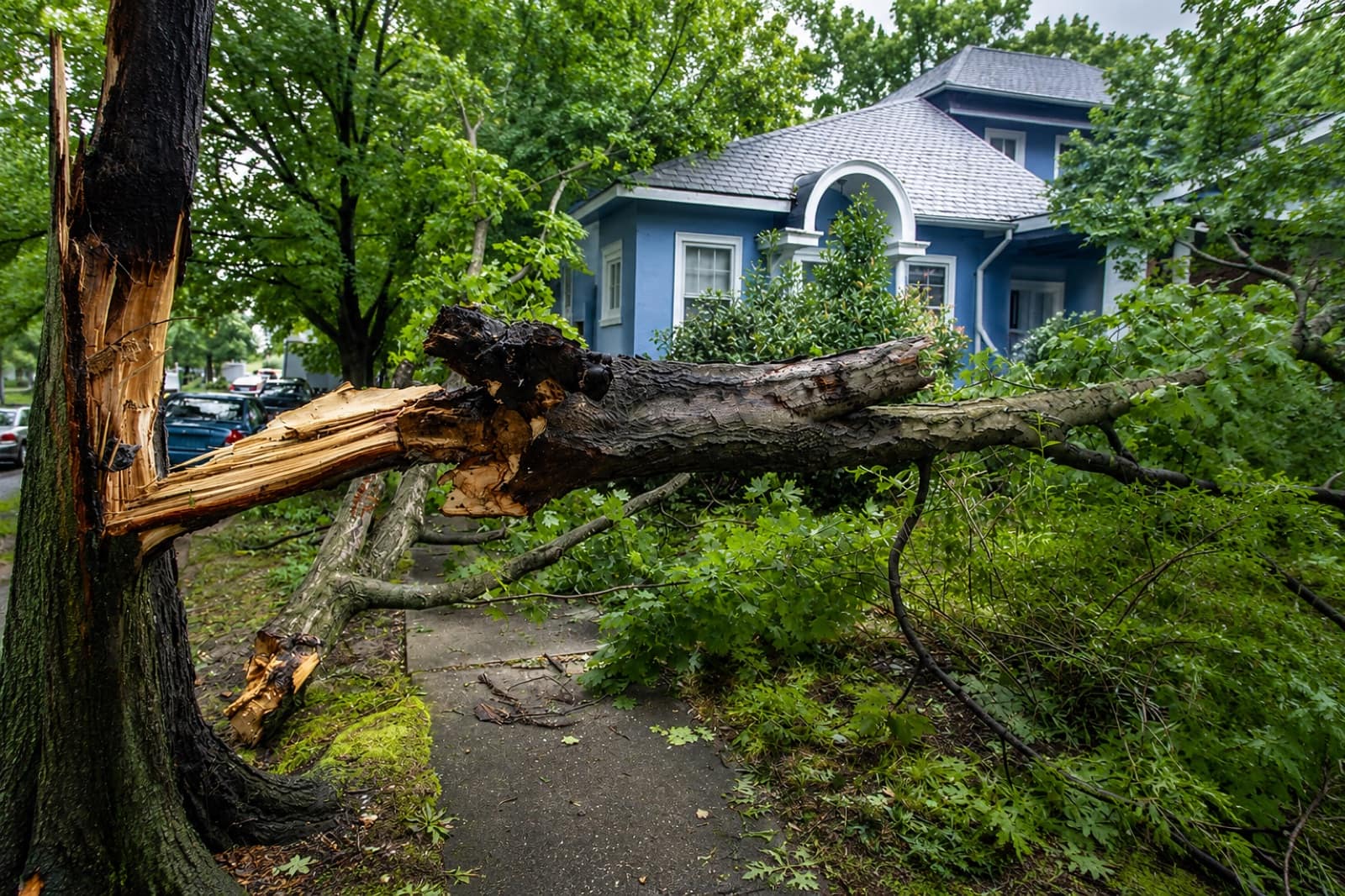
A tree falling on your house can turn an ordinary storm into an emergency within seconds. Beyond the visible damage to the roof or siding, the impact may extend to electrical wiring, gas lines, ceilings, walls, and other parts of the home that are not immediately visible.
A damaged roof may shift, broken branches can remain under tension, and fallen power lines can make the surrounding area dangerous long after the initial impact.
In that moment, it is natural to focus on the tree or start thinking about repairs. However, your first priority should be making sure everyone is safe and avoiding anything that could cause further damage or injury.
In this article, we'll walk you through the immediate steps to take after a tree falls on your house, along with what to expect from your insurance company, professional tree removal, and the repairs that may follow.
1. Make Sure Everyone Is Safe
Before checking the roof, calling your insurance company, or thinking about cleanup, make sure everyone is out of danger.
Move family members and pets away from the part of the home where the tree landed. The impact may have weakened the roof, ceiling, walls, or framing, and more sections can shift or come down after the initial fall.
Broken limbs can also stay suspended above the house or held under tension, which means they may move suddenly without warning.
Leave the home as soon as it is safe to do so if you notice:
- A sagging or partially collapsed roof
- Bowed ceilings or newly formed cracks
- Leaning or separated walls
- Doors or windows that suddenly will not open
- Loud cracking, popping, or creaking sounds
- Water coming in through light fixtures or outlets
- The smell of natural gas
- Smoke, sparks, or damaged electrical equipment
Use an exit away from the fallen tree whenever you can. Once outside, keep everyone well clear of the tree, the damaged structure, and any hanging branches. Do not go back in until emergency responders or another qualified professional confirms it is safe.
Stay away from downed power lines
Treat every fallen power line as energized, even if the neighborhood has already lost electricity.
Do not touch the line or anything it might be contacting, including:
- The fallen tree or its branches
- Fences and metal railings
- Vehicles
- Puddles or wet ground
- Roof gutters
- Utility equipment
Electricity can travel through the tree and the objects around it. Stay back, and call 911 and your electric utility if the tree has brought down a power line or damaged the electrical service connected to your home.
Leave immediately if you suspect a gas leak
If the tree struck the gas meter or a gas line, or you smell gas or hear a hissing sound, move away from the property right away.
Do not turn lights or appliances on or off, use a phone while standing near the suspected leak, start a vehicle, light a match, or do anything else that could create a spark. Once you are a safe distance away, call 911 and the gas utility.
Call 911 right away if someone is injured or trapped, the home looks likely to collapse, there is smoke or fire, a utility line has been damaged, or the fallen tree is creating another immediate threat to people or passing traffic.
2. Assess and Document the Damage From a Safe Distance
Once everyone is safe and any immediate emergency has been reported, assess the damage without approaching the tree or stepping into any unstable part of the home.
Most people focus on the section of the tree lying across the roof, but the damage you cannot see may be just as serious. The impact can harm rafters, roof decking, ceilings, electrical wiring, plumbing, gas lines, chimneys, gutters, and structural supports.
Do not climb onto the roof, walk beneath suspended branches, or stand under the damaged section for a closer photo.
Avoid cutting small branches away from the house too. A limb that looks manageable may be supporting a much larger section of the tree or holding a lot of tension.
From a safe spot, look for:
- Roof sections that look sunken, uneven, or separated
- Broken rafters or framing visible from outside
- Cracked or leaning walls
- Damaged chimneys, vents, or gutters
- Broken windows and exterior doors
- Hanging or partially attached limbs
- A trunk or branch that is still shifting
- Water getting into the house
- Damage to the electrical service, gas meter, or utility lines
- Other branches that could fall onto the home or the area around it
Take photos and videos before the tree or debris is moved, whenever it is safe to do so. These records help your insurance company understand what happened, and they help the tree service, roofer, and other contractors plan their work.
Try to capture:
- The whole tree and home from several angles
- The point where the trunk or branches struck the house
- Damage to the roof, siding, windows, gutters, chimney, garage, and fences
- Broken or hanging limbs still up in the canopy
- Interior damage to ceilings, walls, floors, furniture, and belongings
- Damage to vehicles, sheds, landscaping, or other structures
- The location and rough size of major branches before removal
- Utility damage, photographed only from a safe distance
- The date and approximate time of the incident
- The weather conditions when the tree fell
Keep adding to the record as the cleanup goes on. Hold on to estimates, invoices, emergency-service reports, contractor messages, and receipts for temporary repairs or lodging.
If the tree is still moving, the home is unstable, or a branch could fall on someone, put safety first and let the professionals start securing the area.
3. Contact a Professional Tree Service and Prevent Further Damage
Once the immediate hazards are handled, call a professional tree service with experience in storm damage and trees resting on structures.
A tree lying across a house is a very different job from felling a standing tree in an open yard. The trunk may be holding up part of the damaged roof, branches can be under extreme tension, and cutting the wrong section can cause the tree to shift or cause more structural damage.
A professional removal crew can:
- Read how the tree is resting on the home
- Spot hanging limbs and other immediate hazards
- Stabilize sections that could move during removal
- Bring in rigging, cranes, or bucket trucks when the job calls for it
- Take the tree down in controlled sections
- Keep unnecessary weight off the damaged roof
- Coordinate access with roofers, utility providers, and other contractors
- Clear the debris so repairs can begin safely
Do not try to pull the tree off the house with a truck, cut branches from a ladder, or run a chainsaw near the damaged structure. Even a fairly small tree can shift without warning once its weight redistributes.
If power lines are involved, the tree service may have to wait until the utility company has shut off or secured the electrical service.
If the structure is badly damaged, a building official, structural engineer, or other qualified professional may need to evaluate it before removal moves ahead.
Protect the home from water and weather
After the tree is secured or removed, the opening in the roof may need temporary protection. A roofing contractor can inspect the damage and install an emergency tarp or other cover until permanent repairs are done.
The damage may call for other help as well:
- A licensed electrician to inspect damaged wiring
- The gas utility to check the meter or service line
- A plumber if pipes were damaged
- A structural engineer or qualified building professional
- A water-remediation company if rain has gotten inside
- A contractor to board up broken windows or openings
While you wait for help, move undamaged belongings away from active leaks and set containers under dripping water, but only when the room is safe to enter.
Do not climb onto the roof, stand beneath a damaged ceiling, or go into any area showing signs of structural failure.
4. Notify Your Insurance Company
Contact your homeowners insurance company as soon as you reasonably can, once everyone is safe and emergency help is underway.
Your insurer can explain how to file a claim, what documentation it requires, and whether an adjuster must inspect the property before permanent repairs begin.
Coverage varies by policy, so ask specifically about tree removal, roof and structural repairs, damaged belongings, temporary lodging, and the emergency steps you took to protect the home.
You can usually report the damage by:
- Calling the insurer's claims department
- Contacting your insurance agent
- Filing a claim through the insurer's website or mobile app
When you report it, give the date and approximate time, a short description of what happened, and any immediate safety concerns or emergency work already done.
Ask whether the insurer wants you to keep any part of the tree or debris for inspection before it is hauled away.
Do not, though, leave a dangerous tree in place just to wait on an adjuster. Emergency work may be needed to protect people and stop further damage.
Document the original condition as thoroughly as safety allows, save removed sections when it is practical, and keep itemized receipts from the tree service and other contractors.
Your insurer may also point you to temporary repairs, approved contractors, and guidance on documenting damaged belongings. Good photos, estimates, invoices, and written notes from every conversation make the whole claims process easier to manage.
What if the Tree Was on My Neighbor's Property?
When a neighbor's tree falls on your house, it is easy to assume they are automatically responsible because the tree stood on their land.
However, responsibility usually depends on something else, though: why the tree fell, and whether the owner knew, or reasonably should have known, that it was dangerous.
Your first step should usually be to contact your own homeowners insurance company. If an otherwise healthy tree came down in high winds, lightning, or another severe weather event, the damage is generally handled under the policy for the damaged property. Your deductible and coverage limits still apply.
The situation may change if the tree was already dead, badly diseased, decayed, or leaning dangerously before it fell. If your neighbor had been warned about the tree, or there were obvious signs it posed a hazard, and they did nothing about it, they may be considered negligent.
In that case, your insurer can investigate and, where appropriate, seek reimbursement from the neighbor or their insurance company through a process called subrogation.
Evidence that helps establish the tree's prior condition includes photos taken before the incident, written messages to the neighbor, a history of branch failures, arborist reports, and visible signs like cavities, fungal growth, dead limbs, exposed roots, or a worsening lean.
If the tree falls into your yard without hitting your house, garage, fence, or another structure, removal may not be covered at all. Some policies do offer limited coverage when a fallen tree blocks a driveway or a doorway, so check with your insurer before you arrange cleanup.
Photograph the tree, the point where it failed, and all of the property damage before removal begins, as long as you can do it safely. Keep copies of estimates, invoices, and any communication with your neighbor and your insurance company.
Leave large fallen trees to a professional tree service, since trunks and branches can stay under tension and move suddenly when they are cut.
Professional Tree Removal After a Tree Falls on Your House
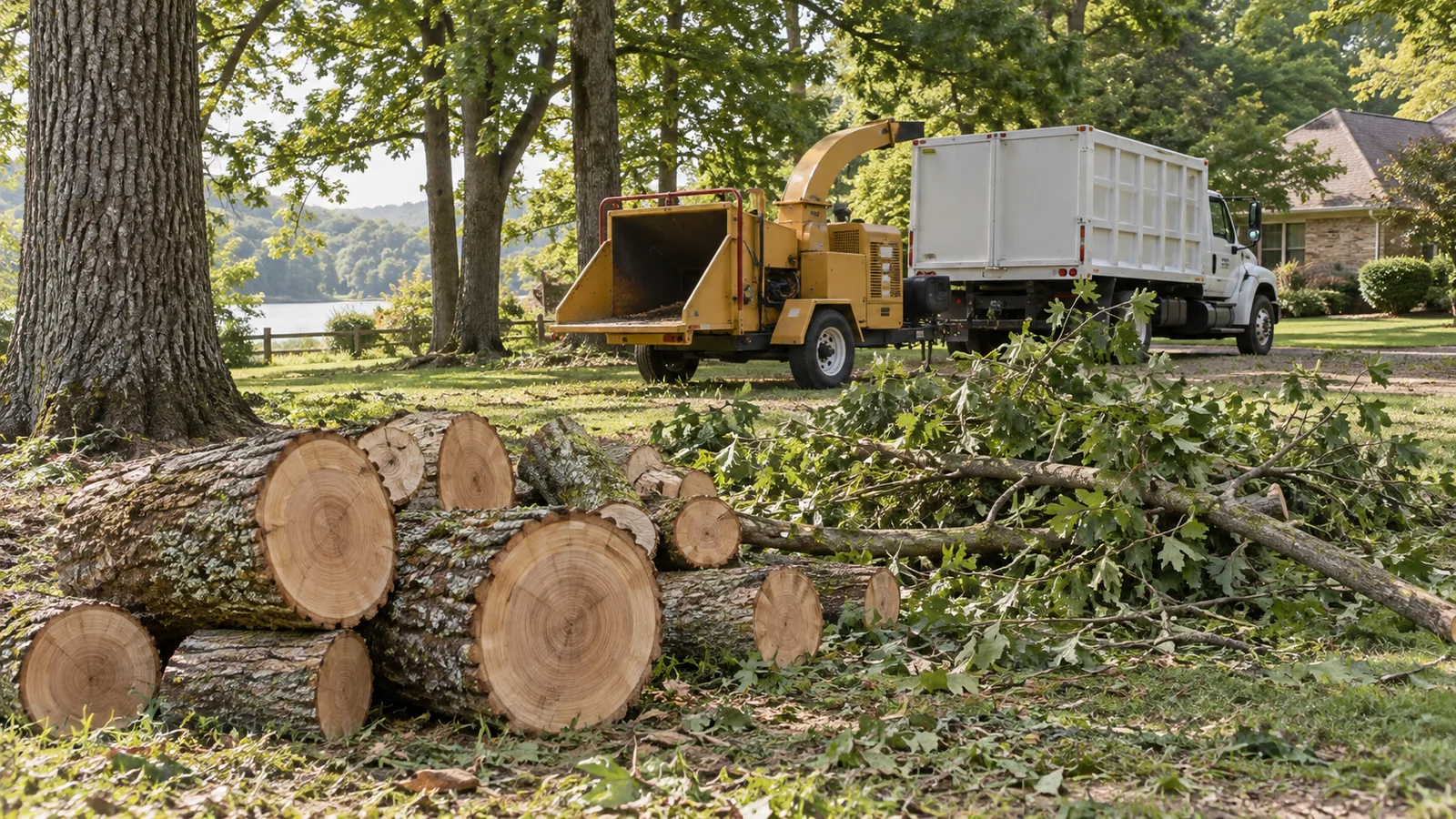
Removing a tree from a damaged roof is not a job to handle on your own. The trunk may be supporting part of the structure, while broken limbs can remain under tension and shift suddenly when they are cut. Attempting to remove even a small section without the right equipment can cause further damage or put you at serious risk.
At Palmetto Tree Pros, we safely remove storm-damaged and hazardous trees from homes and surrounding properties. Our team will assess how the tree is resting on the structure, identify unstable branches, and develop a controlled removal plan. We use professional rigging and specialized equipment to remove the tree section by section while reducing the risk of additional damage.
Once the tree is removed, we can clear the resulting branches and debris so your roofer and other contractors can begin the next stage of repairs.
Contact Palmetto Tree Pros or call or text (864) 364-4362 for professional tree removal after a tree falls on your home.
Need a hand with your trees?
We offer free, on-site estimates across Seneca and the Upstate. Call or request a quote and we'll come take a look.